





A practical perspective for procurement and sustainability leaders
Consumers want to make responsible choices—but they don’t investigate supply chains. They rely on brands to take responsibility on their behalf. That trust places procurement and sustainability managers at the center of one of today’s most complex challenges: securing supply while managing risk and delivering positive impact.
As the cosmetics industry increasingly shifts toward plant‑based ingredients, supply chains are exposed to a very different risk profile than synthetic or fossil‑based materials. Weather volatility, fragmented value chains, and social vulnerabilities at origin all influence availability and reliability. At the same time, formulators develop products that consumers love—often for decades. Any change to a formulation risks jeopardizing product loyalty, making supply security not just an operational issue, but a commercial one.
Supply security has become a strategic imperative.
Go beyond the headlines: understand risk at origin
Building resilient supply chains starts with deep understanding. It is no longer enough to know your tier‑1 suppliers. To anticipate disruptions and mitigate ESG risks, procurement teams must look beneath the headlines and understand where risks truly lie—for supply continuity, for people, and for the environment.
Without knowing where ingredients come from and how they are produced, it is impossible to understand their impact across the value chain. And without that understanding, it is equally impossible to improve it. Sustainable sourcing is not a destination—it is a continuous journey of identifying risks, engaging suppliers, and driving measurable improvement over time.
Two supply chains, two realities
To illustrate what resilience and risk mitigation really mean in practice, consider two very different plant‑based supply chains: canola from Sweden and shea from West Africa.
.jpg?width=780&height=511&name=Raps%2005%20(1).jpg)
Case 1: Canola from Sweden – resilience through regeneration and data
Canola—often called the “olive oil of the North”—comes from a highly efficient Swedish farming system with a strong environmental focus. Sweden is already ahead when it comes to CO₂ emissions reduction, making canola a compelling example of how environmental performance and supply reliability can go hand in hand.
Through the ImpAAKtful Canola program, developed in collaboration with farmer cooperatives, the goal is to connect customer needs with farm‑level impact, while jointly investing in the long‑term resilience of canola farming.
The program focuses on two core objectives:
-
Implementing regenerative agricultural practices to reduce carbon emissions, improve soil health and boost biodiversity ultimately leading to an improved product carbon footprint.
-
Collecting field‑level data that enables customers to report actual Scope 3 emissions and make credible claims aligned with SBTi, CSRD, and other sustainability frameworks—supported by third‑party verification.
This approach strengthens resilience by aligning environmental performance, data transparency, and supply security—creating a win‑win for farmers, brands, consumers, and the planet.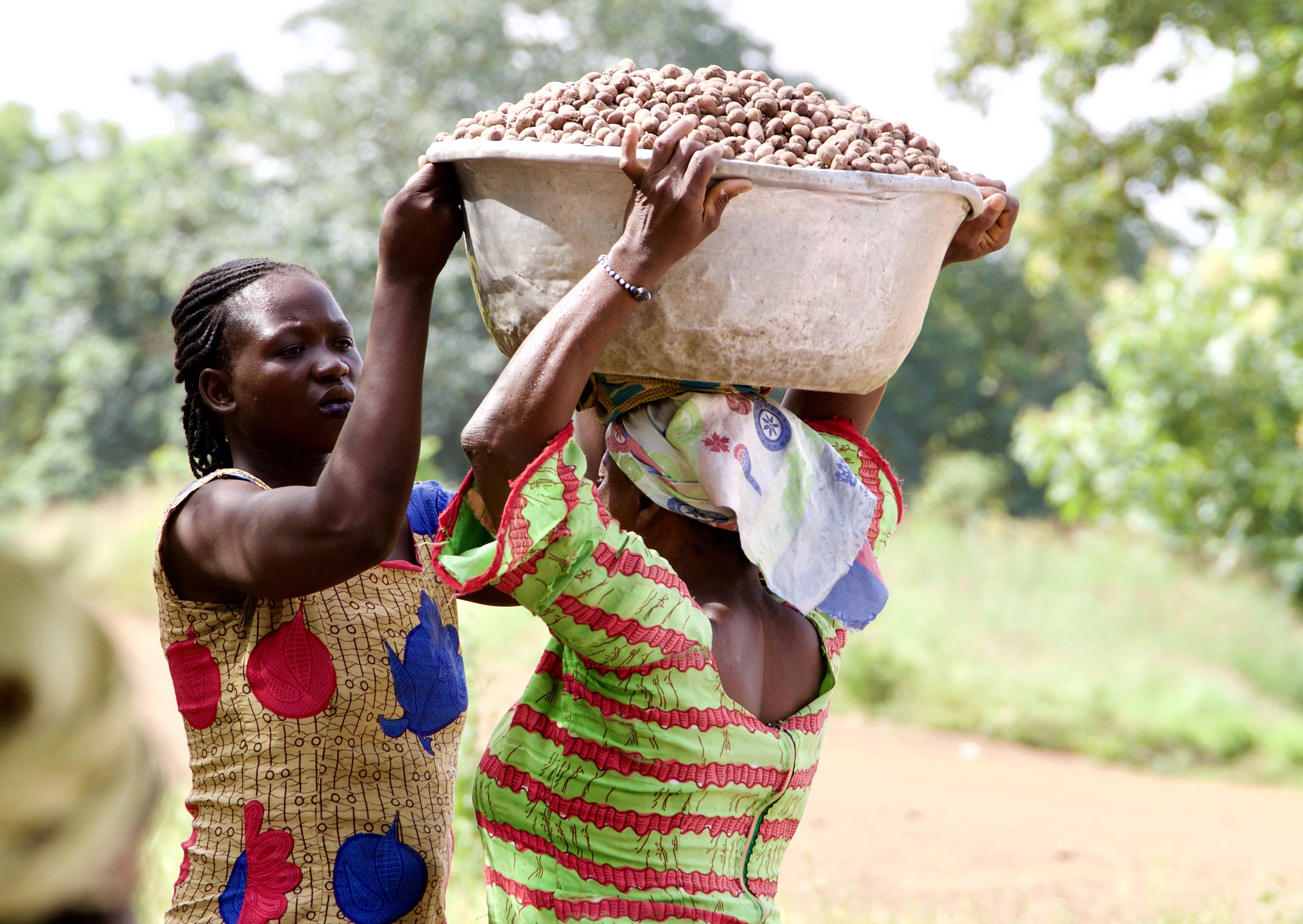
Case 2: Shea from West Africa – resilience through social impact
Now shift to a completely different context: the shea belt of sub‑Saharan West Africa. Shea is one of the most important natural emollients in cosmetic formulations, valued for its texture‑building and skin‑nurturing properties. But its supply chain could not be more different from canola’s.
Shea is a wild‑growing crop, harvested by hand by women in some of the world’s most economically vulnerable regions. Here, supply risk is inseparable from social realities—gender inequality, illiteracy, limited financial access, and fragile livelihoods—alongside environmental risks linked to agroforestry systems and parklands.
To build resilience in such a context, procurement cannot rely on efficiency alone. It requires deep engagement and trust.
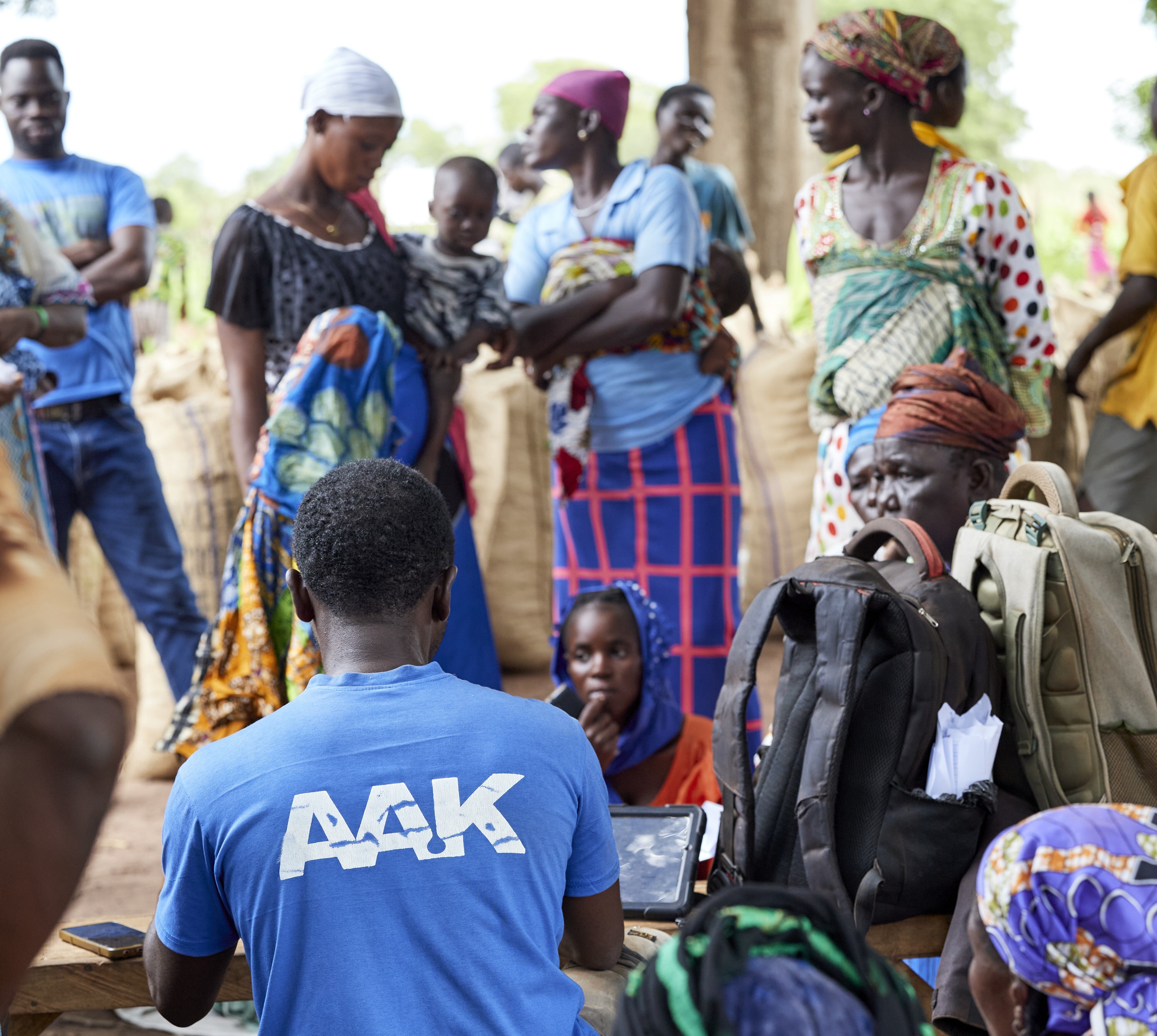
Through Kolo Nafaso, the largest direct sourcing programs for shea, resilience is built by combining supply security with positive social and environmental impact. By sourcing directly from more than 200.000 shea collecting women and investing in communities, supply risks are mitigated while long‑term availability is strengthened.
Key levers include:
- Microfinance in the spring, where access to means is low
- Fair and transparent pricing, including quantity bonuses
- Guaranteed purchasing commitments
- Logistics services with village‑level kernel collection
- Freedom for collectors, with no exclusivity constraints
The simplicity of this model has made it scalable—an essential factor in meeting growing demand while maintaining integrity.
Beyond sourcing, Kolo Nafaso also supports initiatives such as tree planting, improved cookstoves to reduce CO₂ emissions and firewood use, Village Savings and Loans Associations to build financial robustness, and access to clean water—strengthening both ecosystems and communities that sustain the supply chain over time.
In 2025, the program achieved FairWild certification, validating its alignment with globally recognized principles for ethical wild harvesting, biodiversity protection, human rights, fair trade, and responsible business practices.
What this means for procurement and sustainability leaders
Whether sourcing from advanced agricultural systems or informal rural economies, the lesson is the same:
Resilient supply chains are built through understanding, engagement, and long‑term commitment.
To secure supply while driving positive impact, organizations must:
- Look beyond tier‑1 suppliers and understand risks at origin
- Engage deeply with suppliers and producer communities
- Balance environmental and social priorities based on context
- Use data and certification to enable credible reporting and claims
- Treat impact as a core procurement strategy—not an add‑on
Final thought
Consumers are asking brands to take responsibility.
But responsibility without resilience is fragile.
And resilience without positive impact is no longer acceptable.
The future belongs to companies that can do both—secure their supply chains while driving meaningful, measurable change.


-2.jpg)